
In Malaysia, modern funeral services blend cultural traditions with contemporary practices, creating a unique experience for attendees. From procession etiquette to virtual participation options, this article provides insight into the various aspects of a funeral parlour service in Malaysia.
Understanding the dress code, religious ceremonies, and post-service gatherings can help individuals navigate these events with respect and sensitivity. Join us as we explore the intricacies of what to expect during a modern Malaysian funeral service.

Funeral Procession Etiquette
Funeral procession etiquette in Malaysia emphasizes respect and solemnity during the journey to the final resting place. It is customary for mourners to follow behind the hearse in a procession of vehicles, with the closest family members usually occupying the first few cars.
During this somber journey, it is crucial to maintain a respectful and dignified demeanor. Mourners typically refrain from loud conversations, jokes https://hongenlife.com/en/, or any behavior that may be deemed inappropriate given the solemn nature of the occasion.
It is also common for vehicles on the road to give way to the funeral procession as a sign of respect. Observing these etiquette guidelines helps to honor the deceased and show support for the grieving family during this difficult time.
Religious Ceremonies and Rituals
During the religious ceremonies and rituals in Malaysia, it is customary for mourners to partake in solemn observances that pay tribute to the deceased with reverence and respect. These ceremonies often reflect the diverse religious beliefs present in the country, with practices influenced by Islam, Buddhism, Hinduism, Christianity, and traditional indigenous religions.
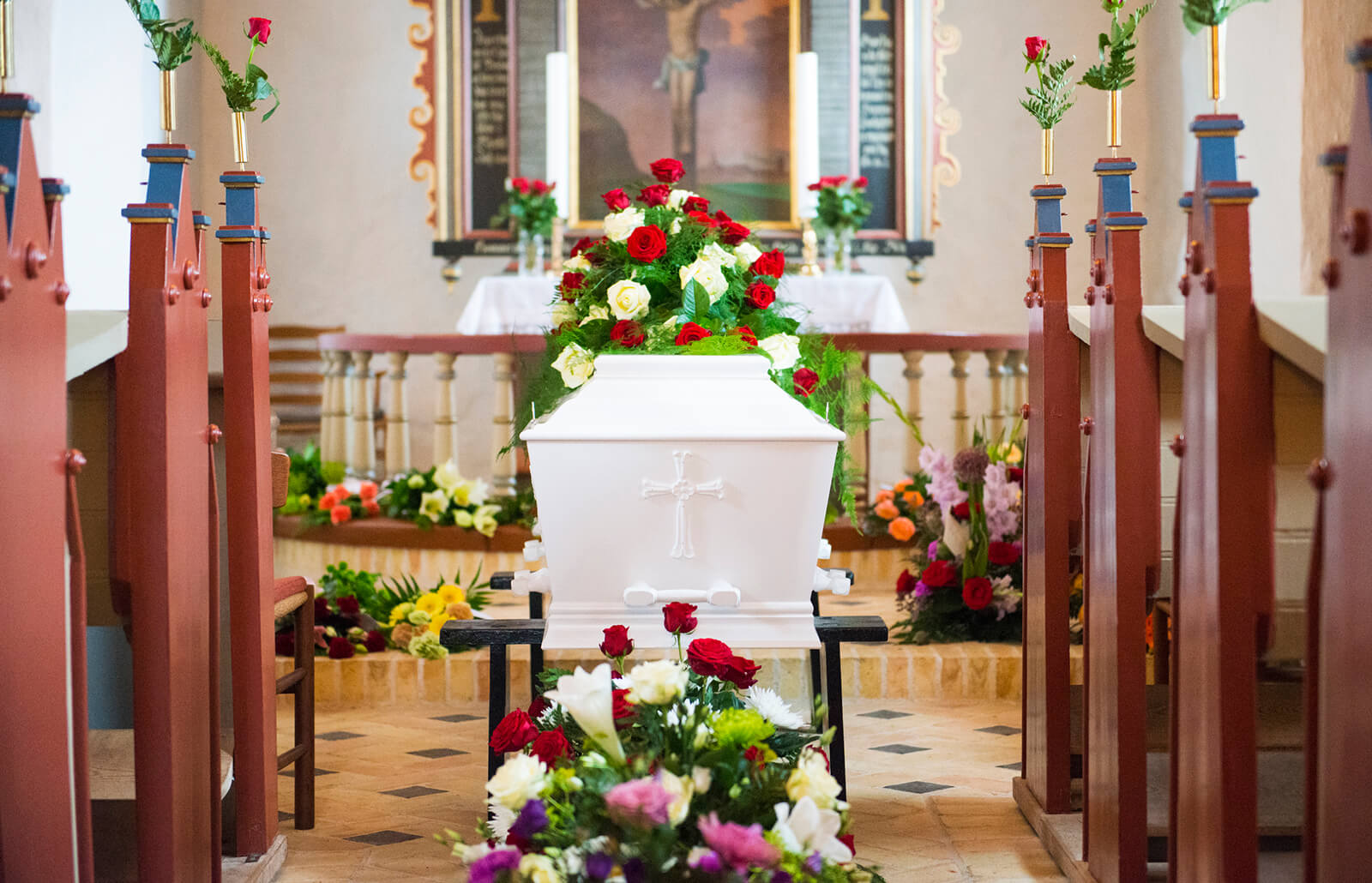
Common rituals may include recitations from sacred texts, prayers led by religious leaders, offerings of incense or flowers, and the sprinkling of holy water. Family members and close relatives typically play significant roles in these ceremonies, helping to lead the proceedings and ensuring that customs are upheld.
The overarching aim of these religious ceremonies is to provide comfort to the grieving family and to honor the life of the departed individual in accordance with their faith traditions.
Dress Code and Attire Expectations
Mourners are expected to adhere to a formal dress code and attire expectations during the modern funeral service in Malaysia. Typically, mourners are required to wear somber and conservative attire out of respect for the deceased and their family. Men are expected to wear dark-colored suits with muted shirts and ties, while women are encouraged to wear modest dresses or suits.
It is important to avoid wearing bright or flashy colors, as well as clothing that may be considered too casual or revealing. Additionally, it is customary for both men and women to refrain from wearing accessories that are overly flashy or attention-grabbing. By following these dress code guidelines, mourners can show their respect and support for the grieving family during this solemn occasion.
Post-Service Gatherings and Offerings
What offerings and gatherings typically follow the modern funeral service in Malaysia?
After the funeral service, it is customary for mourners to gather for a post-service meal or reception. This gathering allows family and friends to come together, share stories, and offer condolences to the bereaved.
Traditional Malaysian funeral offerings may include burning incense, offering prayers, and presenting gifts or donations to the family of the deceased. Additionally, attendees often offer monetary contributions to help cover funeral expenses or to support the family during their time of loss.
These post-service gatherings and offerings play a significant role in providing emotional support and comfort to the grieving family, fostering a sense of community and unity during a difficult time.
Technology and Virtual Participation
Virtual technology has revolutionized the way individuals participate in modern funeral services in Malaysia. With the advancement of technology, virtual participation has become increasingly common, allowing those unable to attend in person to still be part of the service.
Through live streaming services and video conferencing platforms, mourners can join the funeral proceedings virtually from anywhere in the world. This technology has not only made it easier for friends and family members who are geographically distant to participate but has also provided a way for individuals with health concerns or mobility issues to pay their respects remotely.
Virtual participation in funeral services has truly transformed the way we honor and remember our loved ones in Malaysia.
Conclusion
In conclusion, modern funeral services in Malaysia adhere to specific etiquette, religious ceremonies, dress codes, and post-service gatherings.
Technology also plays a role in allowing virtual participation for those unable to attend in person.
These elements combine to create a respectful and meaningful experience for honoring the deceased and supporting grieving family and friends.